In today’s world, childhood looks very different from even a decade ago. Tablets, smartphones, and digital entertainment have become part of everyday life, offering instant access to games, videos, and social media. Technology can be useful and educational when used in moderation, but as screen time increases, many parents and educators are asking an important question:
Are children getting enough real-life interaction?
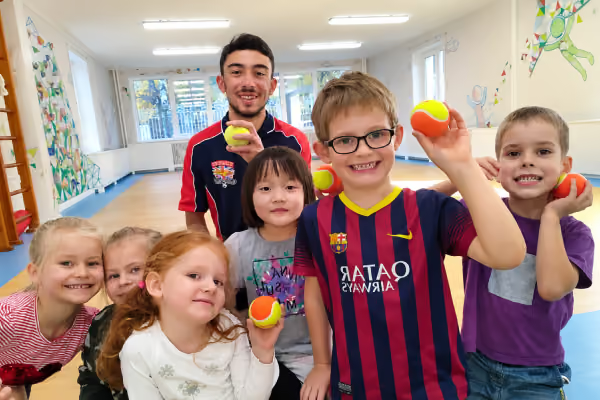
At British Football School, we believe that while digital tools have their place, nothing can replace the value of face-to-face connection, physical activity, and shared experiences. Real interaction - on the pitch and beyond - plays a crucial role in every child’s development.
The Digital Childhood: A New Reality
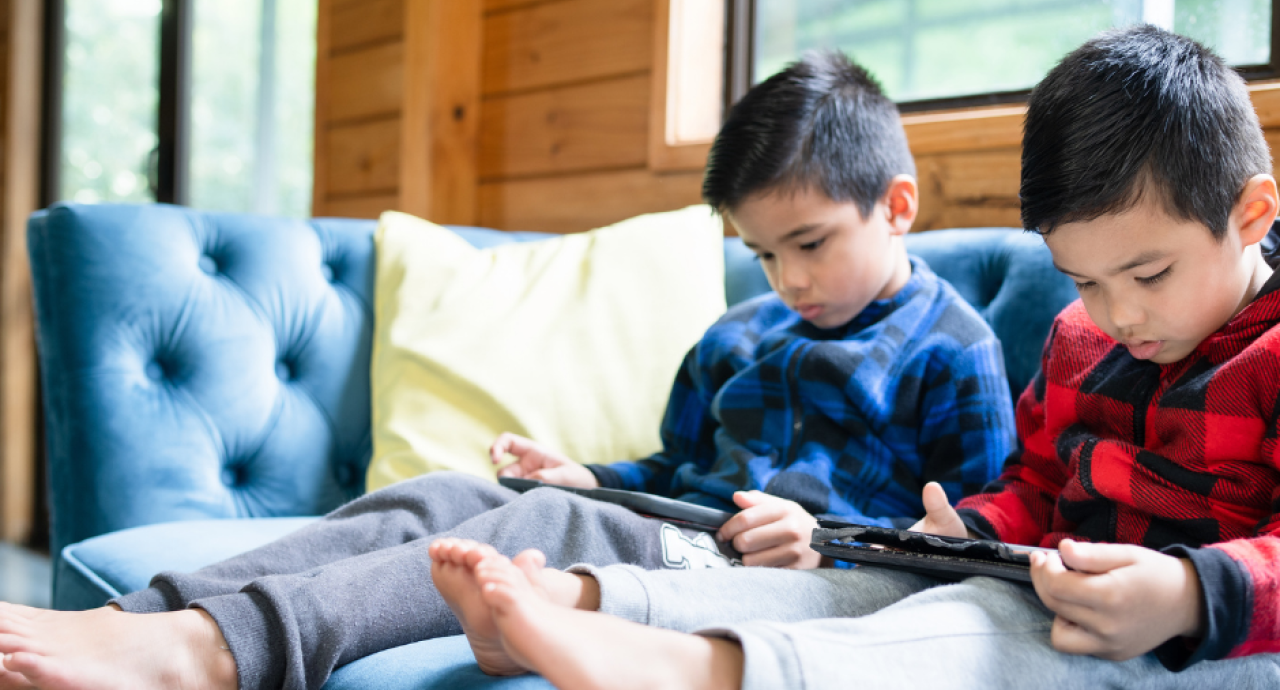
Children today are growing up in a world where screens are everywhere. For many families, managing screen time has become one of the biggest parenting challenges.
Research shows that excessive screen use can influence children’s development in several ways. Studies have linked high levels of screen time with potential impacts on language development, attention, behaviour, and social skills - particularly when it replaces real-world interaction and play.
There is also evidence that extended recreational screen time may be associated with increased risks of anxiety, social isolation, and reduced opportunities to practise interpersonal communication.
This does not mean technology is inherently negative. When used appropriately and in moderation, it can support learning and creativity. However, balance is essential. Children need opportunities to communicate, collaborate, and move - not only to watch and consume.
Why Social Interaction Matters
From an early age, children learn about the world through interaction. Conversations, shared activities, and teamwork help them develop:
- Communication skills
- Emotional intelligence
- Empathy and understanding
- Confidence and resilience
- Problem-solving abilities
When children spend more time interacting with others, they practise reading body language, managing emotions, and working through challenges together. These are life skills that cannot be learned from a screen alone.
Real-world interaction also helps children build a sense of belonging. Friendships formed through shared activities - especially sport - can have a lasting impact on confidence and wellbeing.
The Unique Role of Sport in Child Development
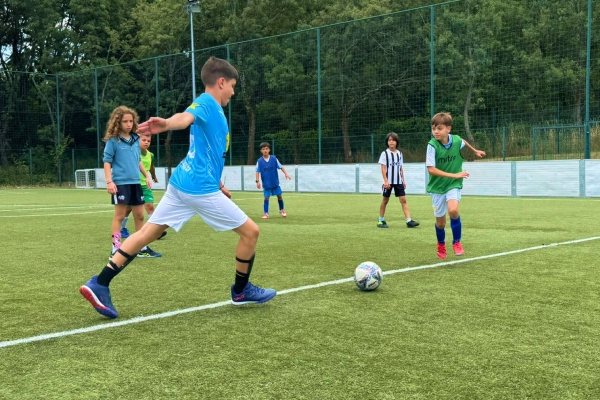
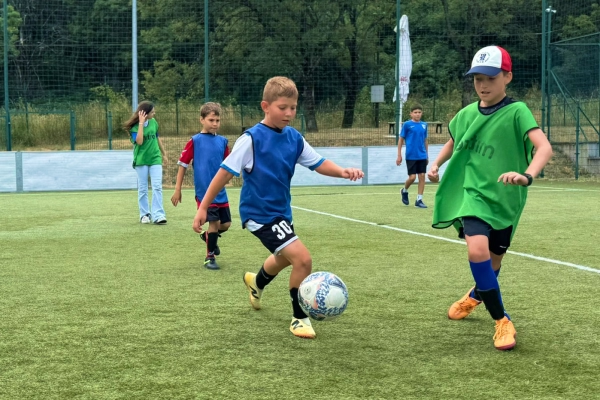
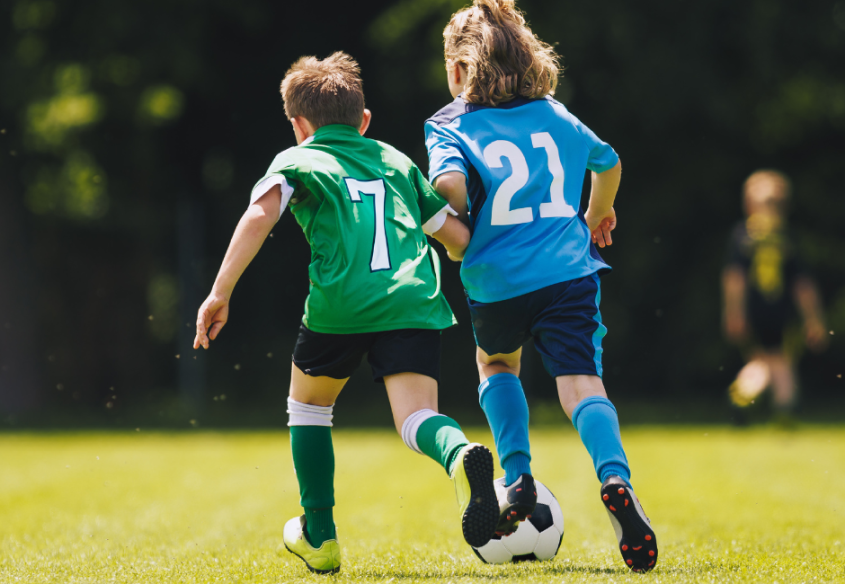
Sport provides one of the most natural and effective environments for social interaction. On a football pitch, children communicate constantly: they listen, respond, support teammates, and learn to work together towards a shared goal.
Research consistently shows that participation in youth sports supports physical, emotional, and social development. Children involved in sports often demonstrate higher levels of confidence, resilience, and teamwork skills, as well as stronger peer relationships.
Team sports in particular encourage cooperation, responsibility, and mutual respect. Contributing to a team and celebrating achievements together can boost self-esteem and strengthen social connections.
Beyond the physical benefits, sport helps children develop important life skills such as discipline, goal setting, leadership, and perseverance - qualities that support success both in and out of the classroom.
From Passive Screen Time to Active Experiences
One of the biggest differences between digital entertainment and real-life sport is the level of engagement. Screens tend to be passive. Even interactive games cannot fully replicate the complexity of real-world communication and movement.
On the pitch, every moment is active. Children make decisions, react to teammates, solve problems, and adapt to changing situations. They learn to win with humility and lose with resilience. They experience teamwork not as an idea, but as a reality.
Participation in sport has also been linked to improved mental wellbeing, lower stress levels, and stronger self-esteem. These positive experiences help children build confidence and develop a healthy relationship with both success and challenge.
Finding the Right Balance
The goal is not to eliminate technology from children’s lives. Digital tools can support education, creativity, and connection when used thoughtfully. The challenge is to create a healthy balance between online and offline experiences.
Parents and educators can support this balance by encouraging:
- Daily physical activity
- Face-to-face interaction with peers
- Participation in team sports and group activities
- Screen-free periods during the day
- Shared family activities and outdoor play
When children experience meaningful interaction in the real world, their need for constant digital stimulation often decreases naturally.
The British Football School Approach
At British Football School, we see every training session as an opportunity to bring children together — not just to play football, but to connect, communicate, and grow.
Our sessions are designed to provide:
- A safe, supportive environment
- Positive coaching and encouragement
- Real teamwork and collaboration
- Confidence-building experiences
- A healthy balance between fun and learning
We believe football is a powerful tool for social development. On the pitch, children learn to interact, respect one another, and work towards shared goals. They experience real friendships, real challenges, and real achievements.
These are experiences that no screen can replace.

Looking Ahead
As technology continues to shape modern childhood, the importance of real interaction becomes even greater. Children need opportunities to move, communicate, and belong. They need environments where they can build confidence, develop social skills, and experience the joy of shared activity.
By creating space for sport, teamwork, and face-to-face connection, we give children something essential - not only for their development today, but also for their wellbeing in the future.